
Booked, but underpriced
Peak dates often book anyway. The real question is whether the rate matched demand when guests were ready to pay more.
HIDDEN COSTS OF SELF MANAGING IN FLORIDA
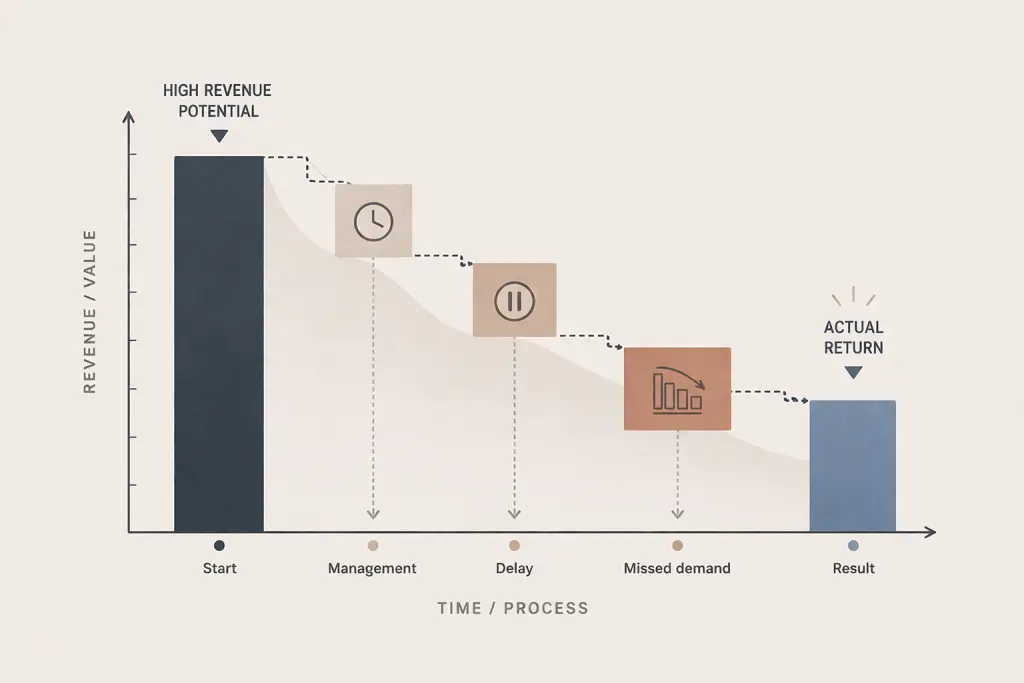
Self-management can look cheaper at first because there is no management fee. But the real cost often sits elsewhere: missed pricing opportunities, slower responses, platform dependence, and hidden owner time. Most owners do not lose money because the home is bad. They lose it because the rental process is not actively managed.
The hidden cost is not only money
A calendar can look full and still underperform. What matters is not just whether nights get booked, but when they book, at what rate, how much work they create, and how dependent the result is on your own availability.
Peak dates often book anyway. The real question is whether the rate matched demand when guests were ready to pay more.
If most bookings come from one channel, a ranking change, review issue or slow response can quickly affect performance.
Messages, cleaning follow-up, repairs and calendar decisions cost time even when they do not show as direct expenses.
Many homes perform well in high season, then lose momentum because pricing and positioning stay static.
The biggest losses are usually not dramatic mistakes. They are small, repeated misses that stack up over a full year.
The week books fast, which feels good. But fast bookings at average rates often mean strong demand was priced too low.
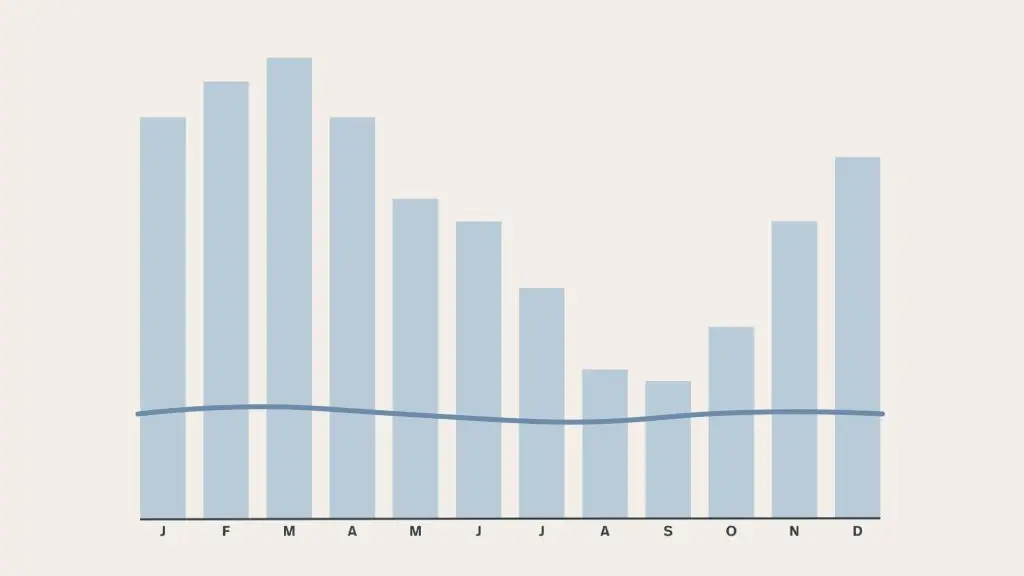
Rates stay too high when demand softens. The result is not better guests, but silent calendar gaps.
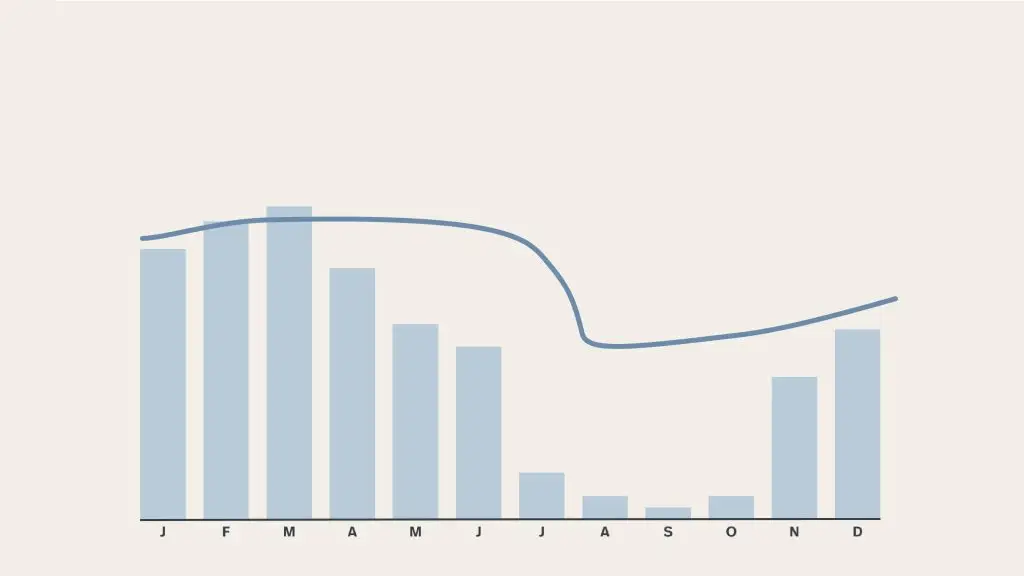
Demand moves every day. Manual pricing often responds after the market has already moved.
Want to see how this compares to structured management? See the real numbers
SAME STREET, DIFFERENT OUTCOME
The difference is rarely the home itself. It is whether the rental strategy reacts to demand, or stays static until missed bookings and lower returns become visible.
Adjusted occasionally, often after bookings slow down.
Adjusted around demand, season, gaps and booking pace.
Often noticed after the month has already passed.
Watched early, so gaps can still be priced and positioned.
Usually judged by occupancy or payout alone.
Judged by rate quality, booking pace, season and owner return.
Dependent on personal availability, attention and follow-up.
Daily work is structured, delegated and reported back clearly.
A zero management fee is not the same as zero cost. A fair comparison should include time, missed rate potential, operational stress and the risk of inconsistent execution.
Guest questions, cleaner follow-up, repairs and pricing checks often land at inconvenient moments.
Static pricing can lose value in peak weeks and leave softer periods exposed.
The owner carries the risk of slow response, guest friction and weaker review consistency.
REALITY CHECK
A strong manager should not promise fixed profit. Performance depends on demand, location, amenities, booking windows, and how the property is positioned in the market.
What matters is whether your current result is realistic for your home, or whether revenue is being lost through timing, pricing, and slow adjustment.
Keep the next step focused. These are the most relevant follow-up pages for this decision.
Use the calculator for a quick comparison, or go to the property review page if you want your current setup reviewed against your home and market.