Sanibel Island is a barrier island off the Gulf Coast just west of Fort Myers, reached by the Sanibel Causeway. It is known for shelling, protected wildlife habitat and a building code that keeps everything low and green. The drive from Cape Coral takes about 45 minutes.
Sanibel Island is one of the most distinctive coastal destinations in Southwest Florida. The island is known for wide natural beaches, world-class shelling, and protected wildlife areas. The atmosphere feels calm and unhurried. Visitors come here to walk the shoreline, explore nature, and enjoy the Gulf of Mexico without crowds or high-rise development.
The island sits just west of Fort Myers and is connected to the mainland by the Sanibel Causeway. Once you cross the bridge, the environment changes quickly. Roads slow down. Palm trees and coastal vegetation replace busy city streets. The island focuses on nature, space, and quiet coastal living.
This guide explains what makes Sanibel Island unique, what visitors typically do here, and how to plan a comfortable stay while exploring the surrounding Southwest Florida region. Its smaller neighbor Captiva Island sits directly north across a short bridge, and most visitors see both on the same day.
Where Sanibel Island is located
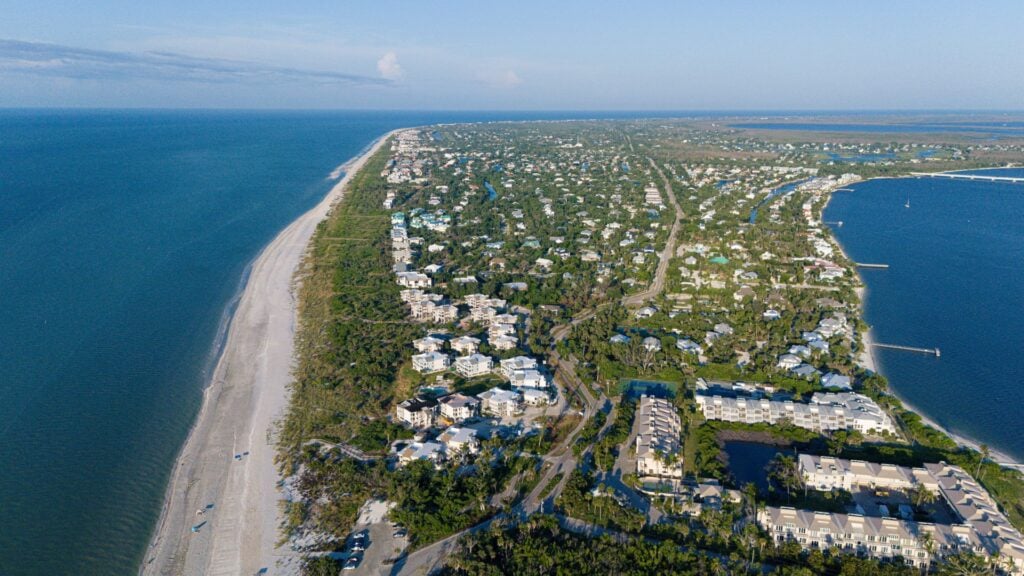
Sanibel Island lies on Florida’s Gulf Coast just west of Fort Myers, at the edge of the Gulf of Mexico, and forms part of the barrier island chain that shelters the Southwest Florida coastline.
Visitors typically reach the island by driving across the Sanibel Causeway from Fort Myers. The drive from Cape Coral usually takes about 45 minutes depending on traffic.
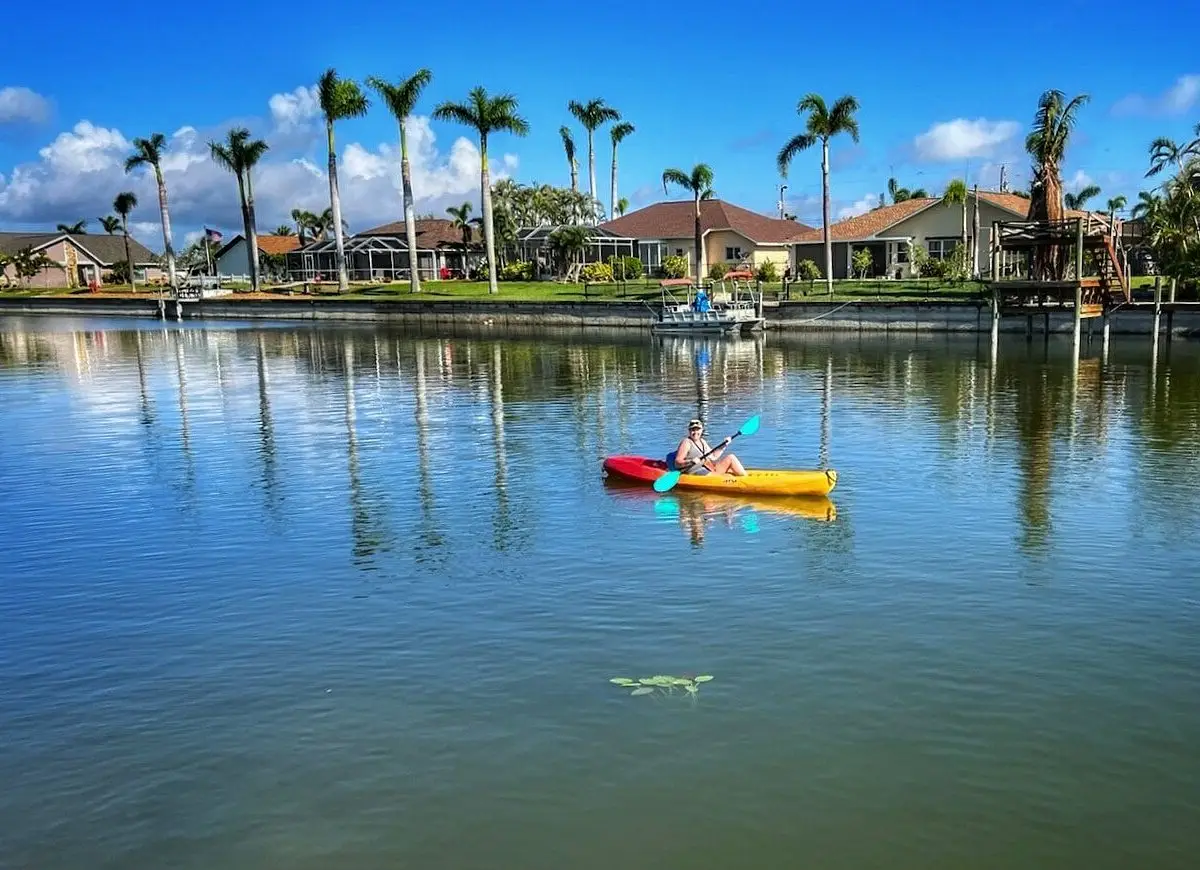
Because Sanibel is close to several Southwest Florida destinations, many visitors combine it with stays in nearby areas. Cape Coral, for example, offers spacious waterfront homes and easy access to boating while still being close enough for day trips to the island.
What makes Sanibel Island unique
Strict building and environmental rules are what set Sanibel apart. There are no beachfront towers and no heavy commercial development, buildings stay low, and much of the island is protected land.
Several characteristics define the Sanibel experience.
Natural beaches
Sanibel beaches feel wide and open. The sand slopes gently into the Gulf, which creates long walking beaches.
World famous shelling
Ocean currents deposit thousands of shells along Sanibel’s shoreline. Many visitors spend hours searching the sand for unique shells.
Protected wildlife habitats
Large parts of the island are dedicated to conservation areas. These spaces support birds, marine life, and coastal ecosystems.
A slower pace
Sanibel encourages a calm rhythm. Visitors bike along shaded paths, walk the beach at sunrise, or watch wildlife at sunset.
The island does not feel like a typical resort destination. It feels more like a coastal nature preserve with small communities built into it.
The beaches of Sanibel Island
The beaches are the reason most travelers come. Several beach parks give public access to the Gulf, and the shoreline faces slightly east compared with most Florida barrier islands, which is exactly why it catches so many shells.
Visitors often notice people walking slowly along the shoreline while bending down to search the sand. Locals sometimes call this the Sanibel stoop.
Popular beaches include:
Bowman’s Beach
One of the most natural and quiet beaches on the island. Visitors often come here for long walks and shelling.
Lighthouse Beach
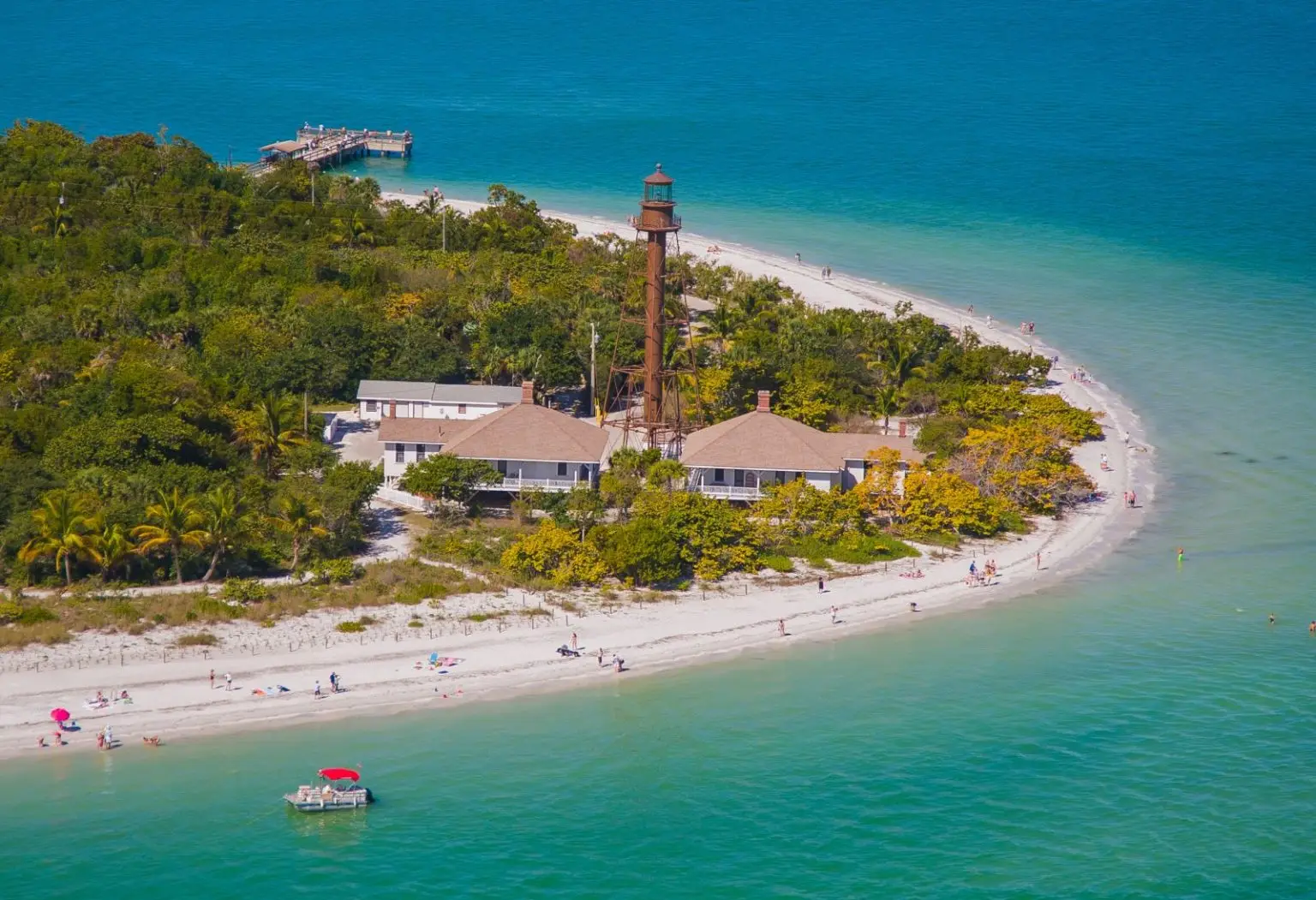
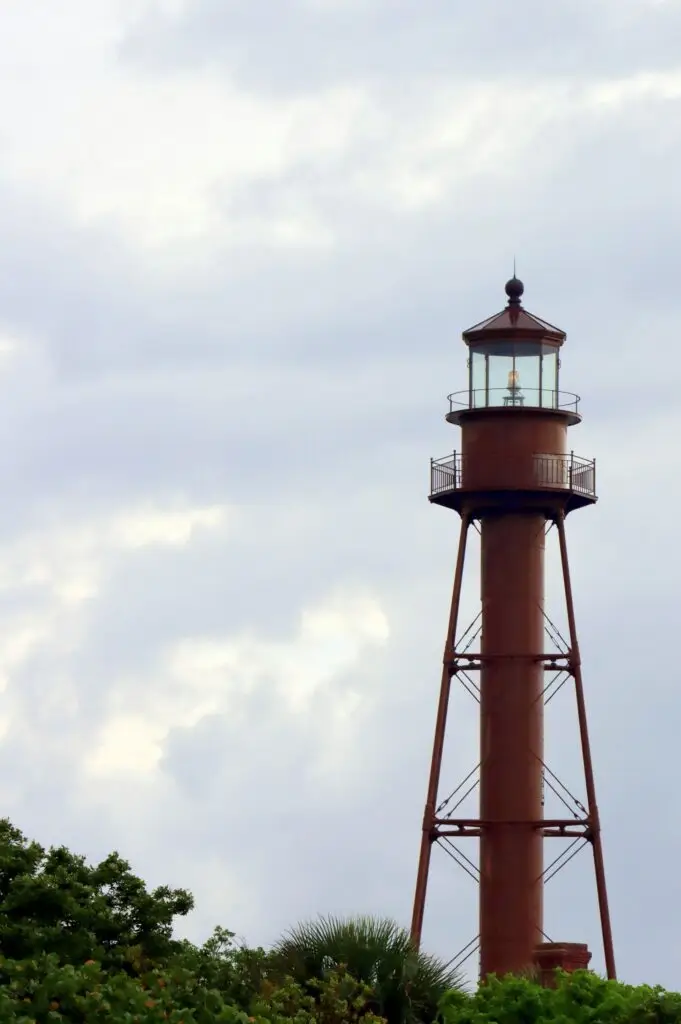
Located near the historic Sanibel Lighthouse at the eastern tip of the island. This area offers views where the Gulf meets San Carlos Bay.
Tarpon Bay Beach
A good location for shelling and calm swimming conditions.
The beaches remain relatively uncrowded compared with other Florida destinations. Many visitors come early in the morning when the light is soft and the tide reveals fresh shells. For the wider coast, see the beaches of Southwest Florida.
Nature and wildlife on the island
Roughly half of Sanibel is protected conservation land, and the centerpiece is the J.N. Ding Darling National Wildlife Refuge, which shelters mangroves, tidal flats and wetlands supporting hundreds of bird species.
Visitors often explore the refuge by:
- driving the wildlife loop road
- biking along shaded trails
- kayaking through mangrove channels
- watching birds at observation areas
The refuge is one of the best bird-watching locations in Florida. Herons, egrets, roseate spoonbills, pelicans, and ospreys appear regularly.
Because the island protects so much habitat, wildlife is visible in many places. Dolphins often swim offshore, and manatees occasionally appear in quiet waterways.
Activities visitors enjoy on Sanibel Island
Almost everything here happens outdoors and at walking pace: shelling, biking the island paths, kayaking the mangrove channels, fishing, and returning to the beach for sunset.
Shell collecting
The island is considered one of the best shelling locations in North America.
Biking the island paths
Sanibel has miles of paved bike trails that run through neighborhoods, nature areas, and coastal roads.
Kayaking and paddleboarding
Mangrove channels and calm bays provide excellent paddling conditions.
Fishing
The surrounding waters offer both inshore and nearshore fishing opportunities.
Sunset walks
Many visitors return to the beach in the evening when the Gulf reflects the setting sun.
The atmosphere remains relaxed. People visit Sanibel to slow down and spend time outdoors rather than rushing between attractions.
Where to stay when visiting Sanibel Island
Most visitors stay on the mainland and drive over. Accommodation on the island itself is limited to smaller resorts, beach cottages and condos, and it fills early in the peak months.
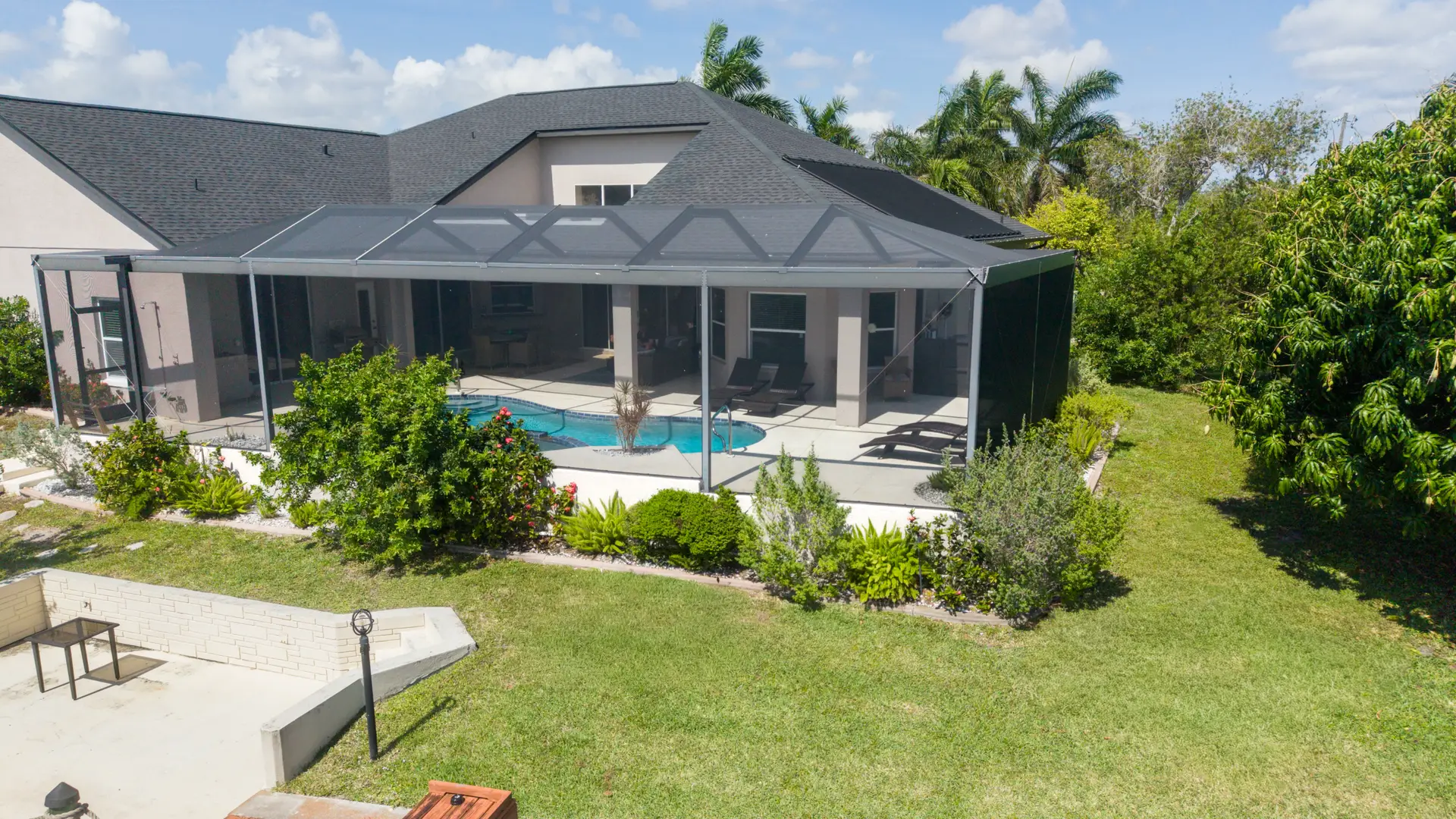
Cape Coral is one of the most practical bases for exploring this part of the coast, and it offers several advantages:
- Spacious waterfront homes
- Private pools and outdoor living space
- Easy boating access to the Gulf
- Convenient drives to Sanibel and Fort Myers
Vacation homes give families more space and privacy than a hotel room. Kitchens, living areas and outdoor terraces make a real difference on longer trips.
The homes we manage come with a prepared, structured stay: clear arrival instructions, local support and reliable standards before you land. If you are choosing a neighborhood, our guide to where to stay in Cape Coral compares the five areas.
Combining Sanibel with other Southwest Florida destinations
Sanibel works best as one day inside a wider trip. The three destinations guests pair it with most are Cape Coral, Fort Myers and Naples, and all three are within about an hour.
Cape Coral
Known for its canal system, boating lifestyle and waterfront homes. See the Cape Coral area guide.
Fort Myers
A historic coastal city with restaurants, marinas and waterfront districts. See the Fort Myers area guide.
Naples
A more upscale coastal town known for shopping, golf and beaches. See the Naples area guide.
The advantage of Southwest Florida is flexibility. You can spend the morning on a quiet island beach and be back at a waterfront home by the afternoon.